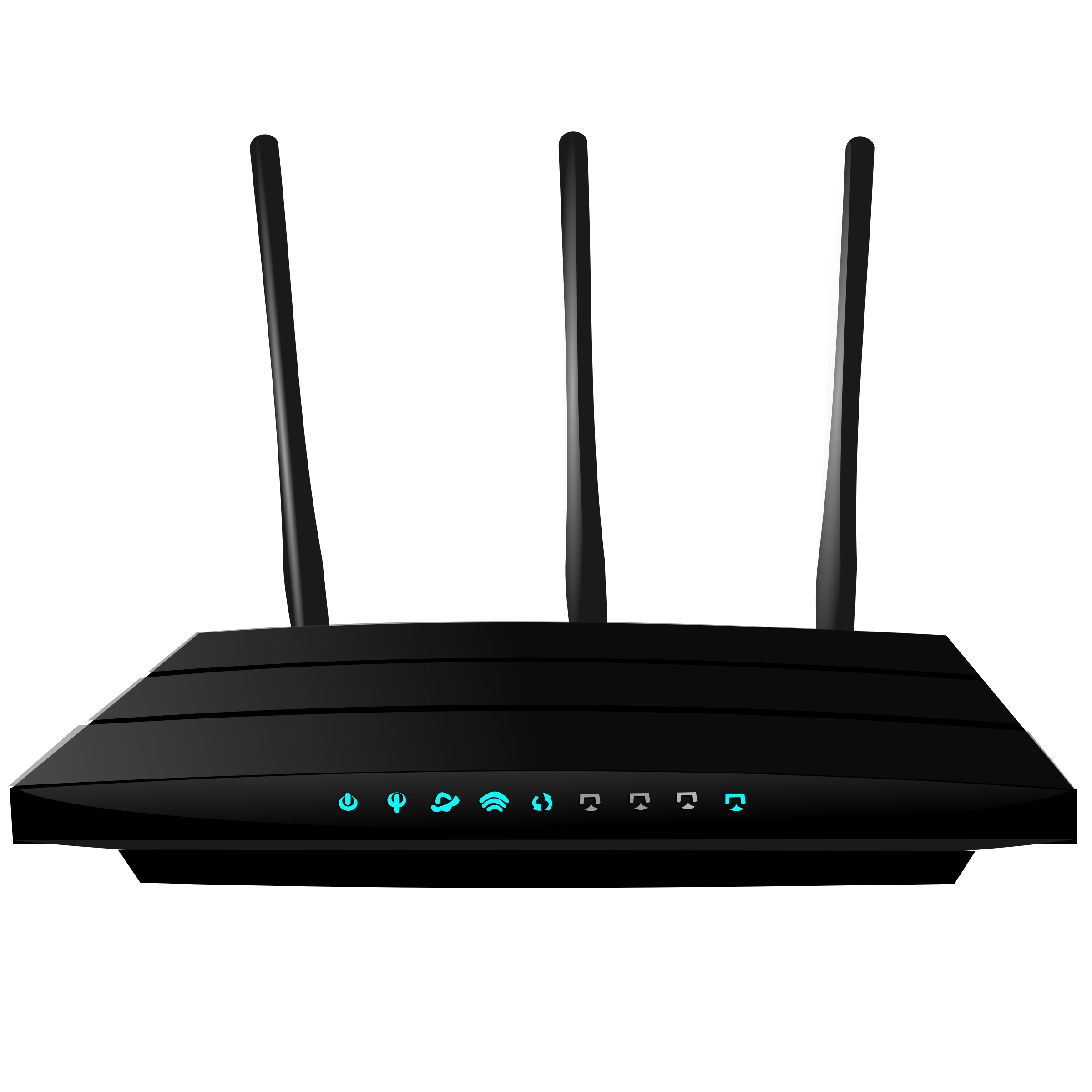

TP-Link’s home-networking range covers traditional Archer routers, Deco mesh systems, DSL/cable products in some markets, access points, and extenders. The important login detail is that there is no single TP-Link password that applies to every current model. Older products may use a published factory credential; many newer products ask the owner to create an administrator password during setup or use device-specific information.
How to reach a TP-Link router?
For many standard TP-Link routers, tplinkwifi.net and 192.168.0.1 are common local management addresses. Some products use 192.168.1.1, while Deco systems can use a different LAN range and are primarily managed with the Deco app. The reliable method is to check the default gateway on the connected device or the label/manual for the exact product.
Before trying a password
Look at the product label and Quick Installation Guide. TP-Link’s own documentation notes that default access information varies by product. If the first-run setup required you to create a local password, an old “admin/admin” list is not the right source for that device.
Common setup paths
- Archer and many standalone routers: browser management plus the Tether app.
- Deco: app-first mesh management, with model-dependent local web features.
- ISP/customized devices: follow the provider’s instructions where firmware or credentials have been changed.
If the page does not open
Stay connected to the TP-Link network, type the local address into the browser address bar rather than a search engine, pause a VPN, and verify the device’s current gateway. See Router Login Page Not Opening? for the full sequence.
TP-Link product families need different login expectations
Archer standalone routers, Deco mesh systems, DSL/cable modem routers, range extenders and powerline products do not all share one management address or authentication flow. Current TP-Link documentation distinguishes these classes: standard routers commonly use tplinkwifi.net or 192.168.0.1, modem-router families can use tplinkmodem.net/192.168.1.1, Deco uses tplinkdeco.net and the 192.168.68.1 LAN by default, while extenders can use tplinkrepeater.net or 192.168.0.254 in factory/recovery contexts.
Newer TP-Link routers create an admin password
Current setup guidance for newer models asks the owner to create a local administrator password. Older products can have published defaults, which explains why old credential databases still circulate “admin/admin.” Do not apply that historical pair to a modern Archer or Deco simply because a search result says “TP-Link default password.”
Tether versus Deco app
TP-Link’s Tether app is used for many standalone routers/extenders, while Deco is managed primarily through the Deco app. Browser management remains useful, but the available settings depend on the family and firmware. A missing browser feature can be intentional rather than evidence that the login failed.
Common TP-Link recovery path
If the local hostname fails, use the documented IP. If that also fails, read the actual gateway or the configured device address from the main router’s DHCP client list. TP-Link explicitly recommends client-list discovery for configured extenders. Reserve factory reset for cases where the address and administrator credential cannot be recovered through supported methods.
Archer, Deco and extenders use different management paths
TP-Link home routers; exact model/setup can differ
- TP-Link home routers; exact model/setup can differ Official source 1
Illustrative case: An Archer login guide is applied to a Deco mesh or extender. Select the correct product family before interpreting the requested local or owner-account password.
Documentation and scope