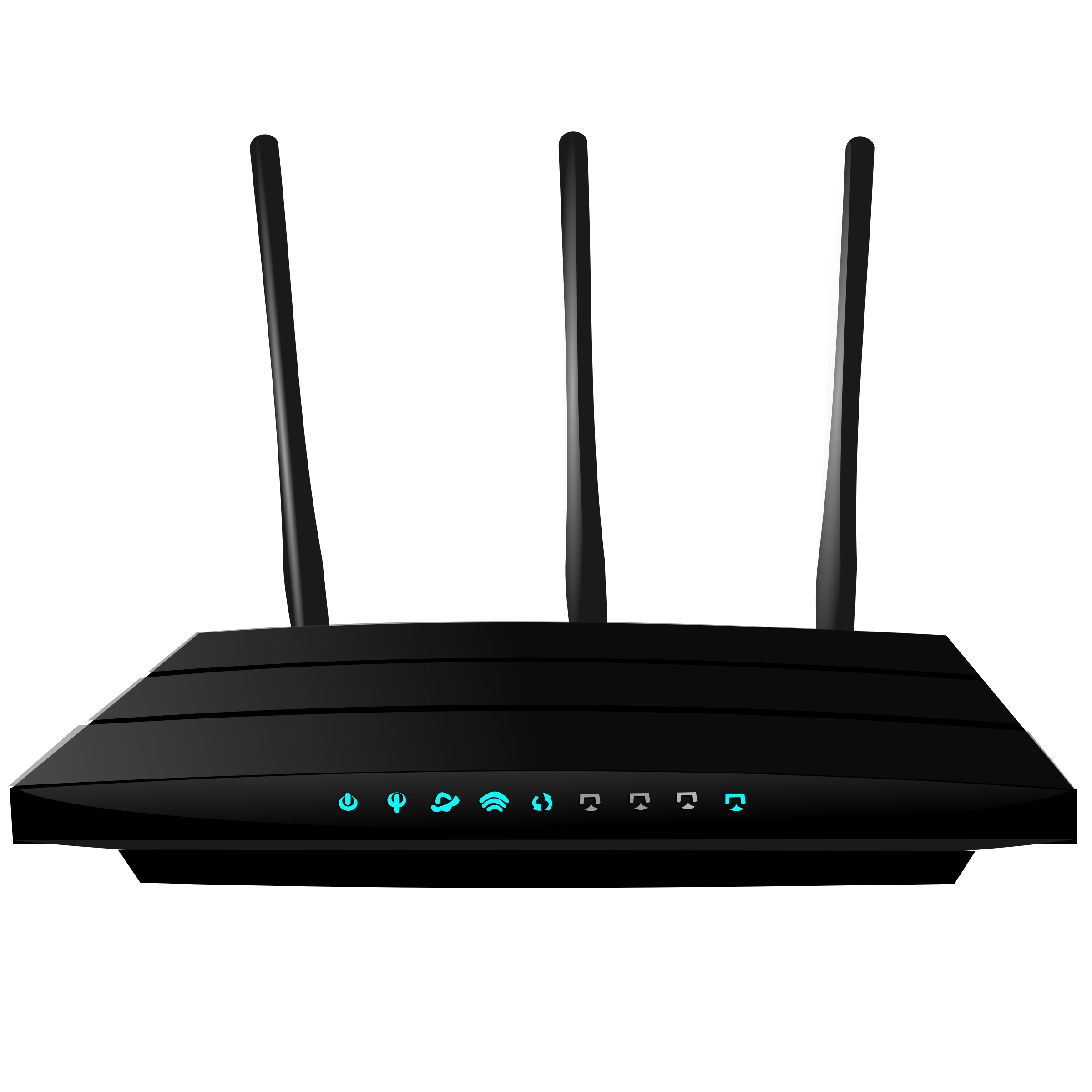
192.168.0.1 — A major local login address used by TP-Link, D-Link and other consumer networking products. Current TP-Link documentation identifies 192.168.0.1 as a router management address, while D-Link also documents it as a default address on supported router families.
Common consumer-router gateway: what the address actually means
192.168.0.1 sits at the beginning of the familiar 192.168.0.0/24 home subnet. TP-Link currently documents tplinkwifi.net or 192.168.0.1 for web management on its standard routers. D-Link likewise documents 192.168.0.1 as a default local address for many routers. Those official examples explain why the address is searched so often, but they do not make it exclusive to either company. Any administrator can assign 192.168.0.1 to a suitable private LAN interface.
Which controls do TP-Link and D-Link routers expose?
On a normal home router, 192.168.0.1 can lead to internet/WAN setup, wireless configuration, guest networks, device lists, DHCP, reservations, DNS, parental controls, firmware, security, NAT and forwarding options. On an extender or access point, the available controls may be much narrower. TP-Link also uses a different high-host address, 192.168.0.254, for various extenders and access points, so 192.168.0.1 should not be assumed for every TP-Link product.
Setup-created passwords versus older factory logins
TP-Link’s current guidance distinguishes product generations: newer routers commonly ask the owner to create a local administrator password during initial setup, while some older products used published factory credentials. D-Link also has generation-specific behavior, including older documentation that describes an admin account with a blank password on some models. Those are model/generation facts, not properties of 192.168.0.1. Never cycle through old defaults on an unknown device; identify the exact router first.
192.168.0.1 versus 192.168.1.1
Neither address is intrinsically faster, newer, or more secure. They are simply different private LAN choices. A typical 192.168.0.0/24 network and a typical 192.168.1.0/24 network each provide 254 ordinary host addresses. Problems arise when two routed networks overlap—for example, a VPN or upstream gateway also using 192.168.0.0/24. In that case, changing the LAN subnet can solve route ambiguity, but do it deliberately because clients, static addresses, port forwards and reservations may need to be updated.
When an extender answers instead?
If you are configuring a range extender, check its current DHCP lease or manufacturer hostname. After initial setup, many extenders obtain an address from the main router rather than remaining on the factory address printed in a quick-start guide.
TP-Link and D-Link make 192.168.0.1 common—but not identical
Two routers can share the same factory LAN address while having completely different setup logic. TP-Link’s current standard-router documentation points users to tplinkwifi.net or 192.168.0.1 and newer setup flows commonly create an administrator password. D-Link’s documentation also uses 192.168.0.1, with model-generation differences in authentication. This is a useful lesson for every IP database: the address is one fact; the login method, reset behavior and menu structure are separate facts that require their own evidence.
Moving from an old 192.168.0.x network to a new router
If a household has static printers, cameras or NAS devices configured in 192.168.0.0/24, replacing the router with another device that also uses 192.168.0.1 can make migration easier because many clients remain in a familiar subnet. But carrying old settings forward blindly can also preserve weak Wi-Fi security, stale DNS choices or duplicate reservations. Treat the replacement as a chance to inventory important devices and document the new network.
192.168.0.1 and cable-modem confusion
Some gateway products combine modem and routing functions, while standalone modems can use another diagnostics address such as 192.168.100.1. If 192.168.0.1 gives you Wi-Fi/DHCP/NAT controls, you are probably looking at a router/gateway role. If the page mainly exposes downstream/upstream channel information, you may be on modem diagnostics instead. The menu tells you as much about the device role as the IP does.
Changing the subnet to solve overlap
People often change 192.168.0.1 because a VPN, upstream network or another router already occupies 192.168.0.0/24. That can be a valid design change. Pick a private subnet that does not overlap with connected networks, set an appropriate DHCP pool, update reservations/static clients, and verify that any port-forward rules still point at the intended internal hosts.
Upstream gateways and the 192.168.0.0/24 LAN
This subnet often appears when a personal router sits behind an ISP gateway using 192.168.1.0/24, deliberately avoiding a direct overlap. That is useful, but it can also hide double NAT. If a router WAN address is 192.168.1.x and its LAN is 192.168.0.x, two routing layers probably exist. Decide whether that is intentional. For ordinary whole-home Wi-Fi, one routing layer plus access points is easier to reason about; for labs or policy boundaries, multiple routed networks can be valid.
Distinguishing router faults from extender discovery
- If the page opens but internet status is disconnected, the local LAN is working; move upstream to WAN DHCP/PPPoE, modem/ONT state, or ISP service.
- If clients receive 192.168.1.x rather than 192.168.0.x, another DHCP server or changed LAN configuration has become authoritative.
- If the router was moved into AP mode, 192.168.0.1 may no longer be the active management address; find the address assigned by the upstream router.
- If a static printer stopped working after migration from 192.168.1.0/24 to 192.168.0.0/24, the printer may still be configured on the old subnet.
Keeping reservations when replacing a home router
Use 192.168.0.1 when it fits the topology. Do not renumber merely because another site claims 192.168.1.1 is more standard. The useful criteria are non-overlap, documentation, and consistency. If a VPN, upstream gateway, or site-to-site link also uses 192.168.0.0/24, migrate to a less-conflicting range with a staged DHCP/static-device plan.
Securing consumer-router management
A router at 192.168.0.1 should be managed from a trusted local segment. Avoid forwarding its web interface to the internet. If an older device still uses HTTP-only administration or obsolete Wi-Fi security, treat successful login as an opportunity to assess firmware support and replacement rather than as proof the device is safe because it still functions.
IP conflicts and topology around 192.168.0.1
A 192.168.0.1 overlap is especially common when a new router is placed behind a modem/router already serving 192.168.0.0/24; choose routing, bridge, or access-point roles deliberately before renumbering either side.
Typing 192.168.0.1 correctly
Common mistakes around 192.168.0.1 include 192.168.O.1 with the letter O, 192.168.01, 19216801, and typing the address into a search field; the live router value should remain four decimal octets separated by dots.
Separate TP-Link login from an extender address change
TP-Link documents tplinkwifi.net and 192.168.0.1 for router management. This does not establish the login procedure for a D-Link router or an extender.
- Connect to the router LAN and compare its active gateway with the address being opened. Official source 1
- Use the management password created for the TP-Link router, or the account method offered by its interface. Official source 1
- If the target is an extender, locate its current client-list entry on the upstream router rather than assuming the router and extender share a management IP. Official source 1

Illustrative case: a new router opens at 192.168.0.1, but an old printer is fixed at 192.168.1.80/24. The printer needs an address in the intended LAN or an explicit routed design; changing the router login password cannot fix that mismatch.
Does changing 192.168.0.1 to 192.168.1.1 make Wi-Fi faster?
Changing the subnet can resolve overlapping routes. It does not improve the radio link or purchase additional ISP capacity.
Documentation and scope