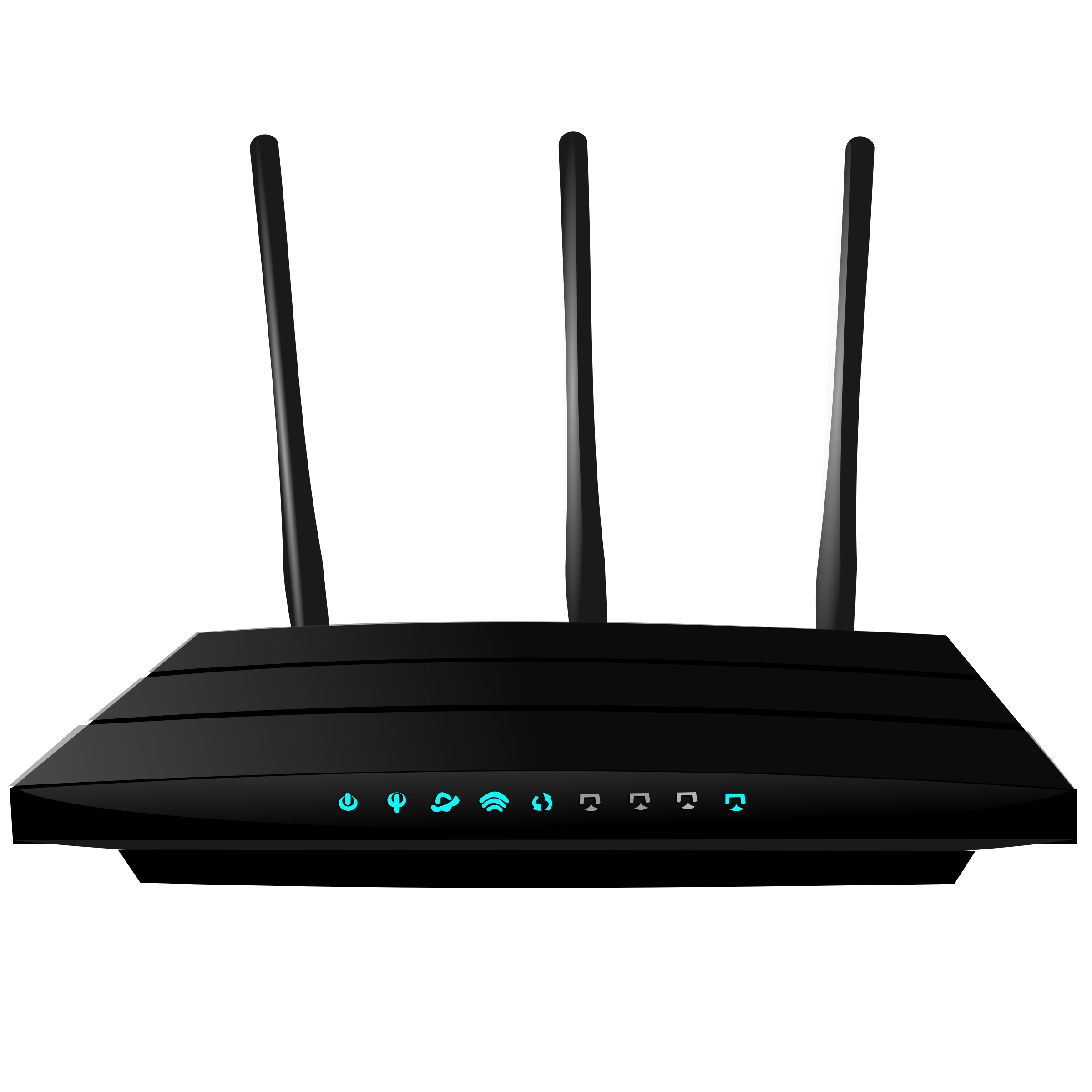

This page is for the exact ASUS RT-AX86U Pro. It does not inherit a password from every router made by ASUS. Use it to find the documented management route, recover access safely, and avoid the most common model/revision mistakes.
ASUS RT-AX86U Pro login details
| Model | ASUS RT-AX86U Pro |
|---|---|
| Management address | asusrouter.com / router.asus.com on supported firmware; common ASUS default LAN is 192.168.50.1 |
| Admin username | Created/configured during setup on current ASUSWRT; older defaults should not be assumed |
| Admin password | Owner-created administrator password |
| App | ASUS Router app plus ASUSWRT web GUI |
| Scope | RT-AX86U Pro; use exact model/revision firmware |
How to open the ASUS RT-AX86U Pro settings?
- Connect a computer or phone directly to the ASUS RT-AX86U Pro network. Ethernet is useful if wireless settings are being changed.
- Open the documented hostname/address above in the browser address bar. If it fails, read the current default gateway from your device rather than trying random private IPs.
- Sign in with the current administrator credential for this unit. The Wi-Fi key is not automatically the administrator password.
- If an official app is the primary setup path, use it for onboarding/account recovery and use the web UI only where the model supports it.
The RT-AX86U Pro is managed through ASUSWRT and the ASUS Router app. ASUS router LAN addresses can change when AiMesh, access-point mode or another upstream router changes topology, so use the detected gateway if 192.168.50.1 does not answer.
Primary documentation for the login/setup details above: official source for ASUS RT-AX86U Pro. Scope: RT-AX86U Pro; use exact model/revision firmware.
Model and firmware scope
RT-AX86U Pro; use exact model/revision firmware. If your unit is carrier/ISP-branded, provider firmware can change the local address, available menus, account flow or reset behavior. Match instructions to the exact label and firmware before changing settings.
Why is the ASUS RT-AX86U Pro administrator password rejected even though Wi-Fi still works?
Owner-created administrator password. Wi-Fi access and router administration are separate authentication paths. If the administrator password was changed, use the current value or the exact model’s documented recovery path rather than the Wi-Fi key.
Why does the ASUS RT-AX86U Pro address open another router?
Another routing device is probably the active gateway, or the ASUS RT-AX86U Pro is operating as an access point or mesh node. Compare the client Default Gateway and the upstream router client list before changing credentials or resetting anything.
Why did the ASUS RT-AX86U Pro login page disappear after a mode or topology change?
Access-point mode, mesh adoption, a LAN-subnet change, or upstream DHCP can change the management address. Renew the client lease and read the current gateway or upstream client list before assuming the router failed.
Confirm that the instructions match your exact unit
RT-AX86U Pro; use exact model/revision firmware Check the printed model and, where shown, hardware revision before using a firmware file or reset sequence. If the router was supplied by an ISP or mobile carrier, provider firmware can change the sign-in path, hide radio/WAN settings, or replace the retail app workflow. The current default gateway on a connected client is the best clue when the remembered factory address no longer responds.
RT-AX86U Pro VPN change check
RT-AX86U Pro; use exact model/revision firmware. The reference below is the support starting point; this is not a claim of physical testing on every revision.
- The RT-AX86U Pro is managed through ASUSWRT and the ASUS Router app. ASUS router LAN addresses can change when AiMesh, access-point mode or another upstream router changes topology, so use the detected gateway if 192.168.50.1 does not answer. Official source 1
Illustrative case: Enabling a VPN changes the public address but one local application stops working. Compare the tunnel policy, local subnet routes and DNS choice, then revert that single change to test the explanation.
Should I disable the whole ASUS firewall when one VPN route fails?
Use a targeted route or policy check. Disabling the firewall introduces unrelated changes and weakens the network boundary.
Documentation and scope