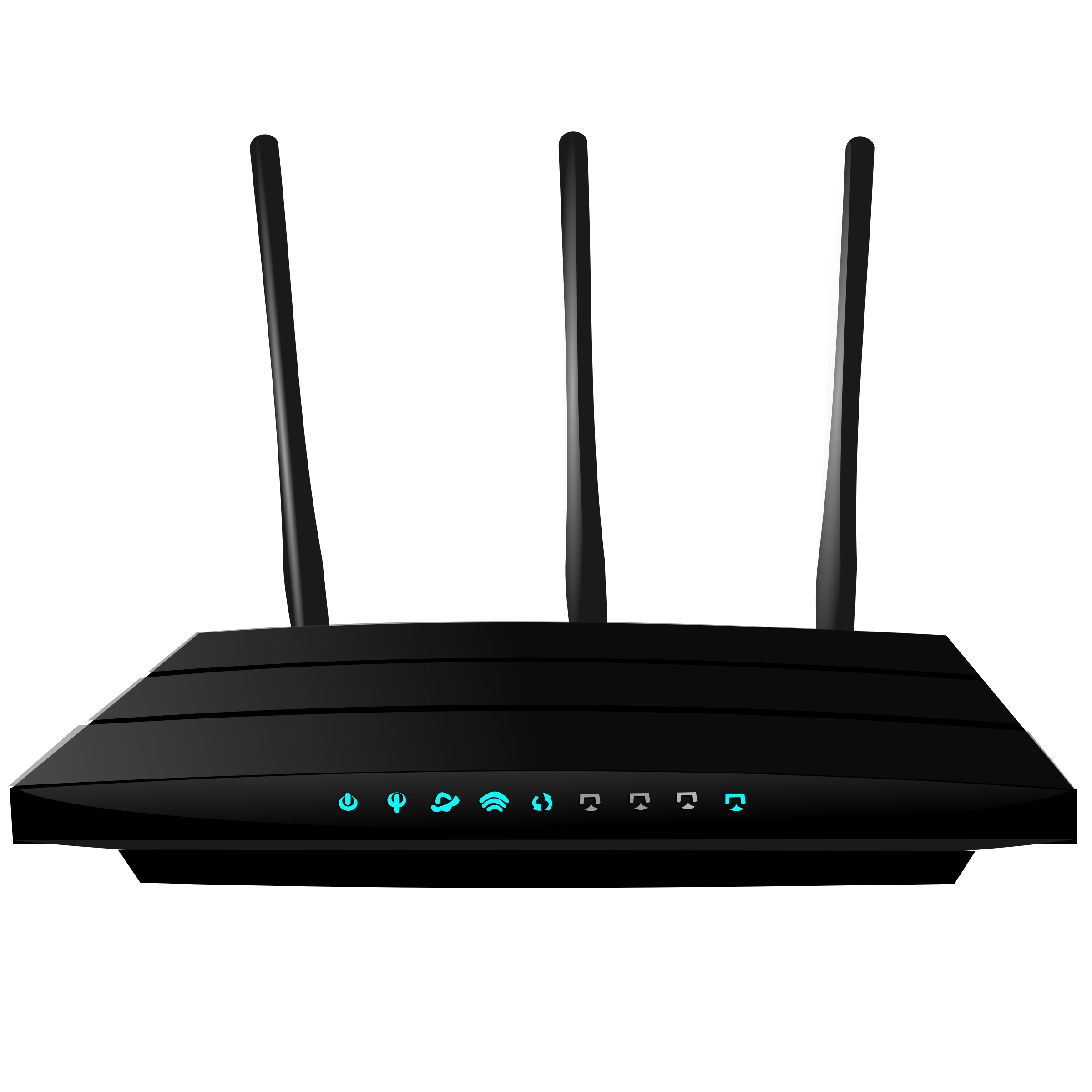
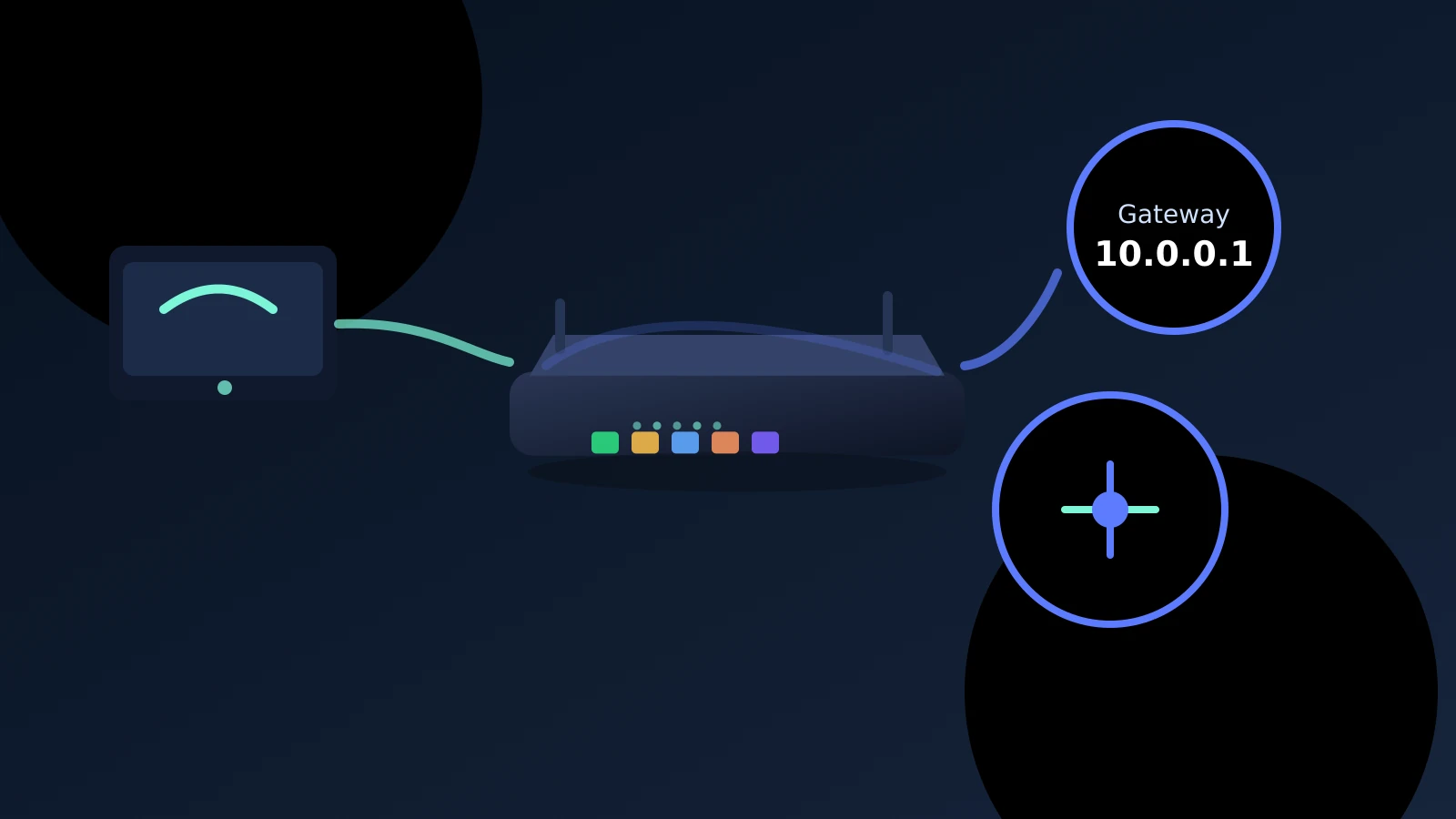
10.0.0.1 — A private IPv4 address widely used by Xfinity WiFi Gateways and also valid on many other private networks. Xfinity currently documents 10.0.0.1 as its Gateway Admin Tool address.
Xfinity gateway and private 10/8 address: what the address actually means
Xfinity’s current gateway support documentation identifies http://10.0.0.1 as the local Gateway Admin Tool address for supported Xfinity WiFi Gateways. That is a strong, current association, but 10.0.0.1 is not owned by Xfinity: it belongs to the 10.0.0.0/8 private block defined by RFC 1918 and can be reused by organizations, labs, hotels, home routers and virtual networks. In an Xfinity home, the association is meaningful because the provider deliberately configures its gateways around that LAN.
Which Xfinity settings remain in the local Admin Tool?
Depending on model and account configuration, the local Xfinity interface can expose gateway status and selected settings. Xfinity increasingly routes many Wi-Fi management tasks through its app, and current support material notes that Admin Tool availability itself may need to be enabled. Bridge Mode remains an important local-management use case for customers who want to connect their own router behind an Xfinity gateway.
Xfinity Admin Tool passwords and gateway generations
Xfinity’s current instructions say the username is admin for the local Admin Tool and direct customers to the sticker on the bottom of the gateway for the password; if the admin password has been changed, the changed value is required. This is a perfect example of why a site should not publish “admin/password” as a timeless universal pair. Credential behavior changes with provider security practices and hardware generations.
10.0.0.1 is not the whole 10.0.0.0/8 network
RFC 1918 reserves the entire 10.0.0.0 through 10.255.255.255 range for private use. A home network using 10.0.0.1 normally does not use all sixteen million-plus addresses; it commonly uses a much smaller subnet such as 10.0.0.0/24. The subnet mask, not the first octet alone, determines which addresses are local.
Bridge Mode changes the job of the gateway
When an Xfinity gateway is placed into Bridge Mode, its routing and Wi-Fi roles change so a downstream router can take over. That can change what address your computers see as their default gateway. Do not confuse “I cannot reach 10.0.0.1 from my normal LAN after changing modes” with proof that the gateway is offline; management reachability can depend on topology and how the provider implements the mode.
Xfinity’s 10.0.0.1 Admin Tool in an app-managed era
Xfinity still documents 10.0.0.1 for local Gateway Admin Tool access, but many customer-facing Wi-Fi controls have moved toward the Xfinity app. That means an old screenshot showing every wireless option in the browser may not match a newer XB-series gateway. A useful guide should explain this evolution instead of telling users the interface is broken. If the local page opens and the desired setting is missing, check Xfinity’s current support path before resetting the gateway.
Bridge Mode and why your new router may use a different subnet
Bridge Mode changes the Xfinity gateway from a combined modem/router toward a modem-like role so a separate router can perform LAN routing. After that change, client devices normally use the personal router’s gateway address rather than 10.0.0.1. The private 10/8 address can remain relevant for gateway management, but its reachability depends on topology. Plan the change with an Ethernet connection and know how to return to the gateway if the downstream router is misconfigured.
10.0.0.0/8 is huge; your home LAN is usually not
Seeing a 10.x.x.x address does not mean every address from 10.0.0.1 to 10.255.255.254 is on your local link. The prefix length controls that. Xfinity-style home networks commonly use a small subset, while enterprises can carve the private 10/8 allocation into thousands of routed subnets. This distinction matters when users manually set static addresses: choose an address in the actual LAN and outside conflicting DHCP assignments.
Changing the Xfinity admin password
If the gateway requires the local Admin Tool credential, follow the current label/provider process and change weak defaults where the product permits it. Store the new value securely. The Wi-Fi passphrase can be different from the local administrator password, and changing one should not be assumed to change the other.
Bridge Mode, personal routers and overlapping 10/8 routes
Xfinity customers who use their own router may choose Bridge Mode on the gateway so the downstream router becomes the primary routing/NAT device. In that design, the downstream router should use a different LAN if necessary and the management path to the Xfinity gateway may behave differently. Outside Xfinity, a 10/8 LAN can be much larger than a /24; always read the actual prefix rather than assuming 10.0.0.0/24.
Diagnosing Xfinity access after a router change
- If the page is Xfinity Admin Tool but settings seem limited, compare local controls with the Xfinity app/account because management can be split between interfaces.
- If your router WAN is 10.x.x.x but you do not have a local upstream gateway using that address, ask whether the ISP is using private/CGNAT addressing upstream.
- If a corporate VPN fails at home, 10/8 overlap is a common reason because enterprise networks frequently use 10.x ranges.
- If Bridge Mode was enabled and Wi-Fi disappeared from the provider gateway, that can be expected; verify which downstream device now owns routing and wireless service.
Choosing an Xfinity LAN that avoids VPN conflicts
A home does not gain speed merely by moving into the 10/8 range. Use it when it fits an address plan, but keep prefixes tight and non-overlapping. For VPN-heavy users, a less-common home subnet can reduce collisions. For Xfinity, decide whether the provider gateway or your own router should be the edge router and configure one clear authority.
Protecting local Xfinity administration
The local Admin Tool should remain local. Do not expose 10.0.0.1 through public forwarding. If Bridge Mode shifts firewall responsibility to your own router, confirm that the downstream device is fully configured and updated before relying on it as the internet edge.
IP conflicts and topology around 10.0.0.1
The 10.0.0.1 number is only one host inside private 10.0.0.0/8, so a corporate VPN, lab, hotel, or second router can use overlapping 10/8 routes even when the Xfinity gateway itself is configured correctly.
Typing 10.0.0.1 correctly
The strings 10.0.0.0.1, 10.0.01, 10.0.0.l, and 10001 are not equivalent to 10.0.0.1; IPv4 has four octets, and the extra zero in 10.0.0.0.1 creates five components rather than a valid IPv4 address.
10.0.0.1 and Piso WiFi in the Philippines
10.0.0.1 is also widely searched for Piso WiFi. The important distinction is that the IP alone does not identify the vending software. AdoPiSoft officially documents 10.0.0.1/admin for its activation workflow, while other Piso WiFi platforms can use different paths, credentials and LAN settings. See our Piso WiFi hub or the 10.0.0.1 Piso WiFi login guide for platform-scoped instructions.
Customers normally use the captive portal; operators use the protected admin interface. Never enter an operator credential into a third-party page simply because it ranks for “10.0.0.1 login.”
Xfinity access toggle or a Piso portal: identify the service first
Xfinity documents an app-controlled Admin Tool access switch. This procedure applies to supported Xfinity gateways; a Piso controller at the same address uses its own software.
- On an Xfinity gateway, check WiFi → View WiFi equipment → Advanced settings → Admin Tool online access in the Xfinity app. Official source 1
- Enable access only when needed, create the requested Admin Tool password, and open the local address from the home network. Official source 1
- For a vending hotspot, use the customer portal. Operator access belongs to the machine owner and is unrelated to an Xfinity account. Official source 1

Illustrative case: an Xfinity customer can browse websites but 10.0.0.1 does not open. Checking the documented access toggle is a better first test than resetting a working gateway.
Can the same 10.0.0.1 instructions work on Xfinity and AdoPiSoft?
No. The address is reusable private space. Identify the page and installed platform before following either set of instructions.
Documentation and scope