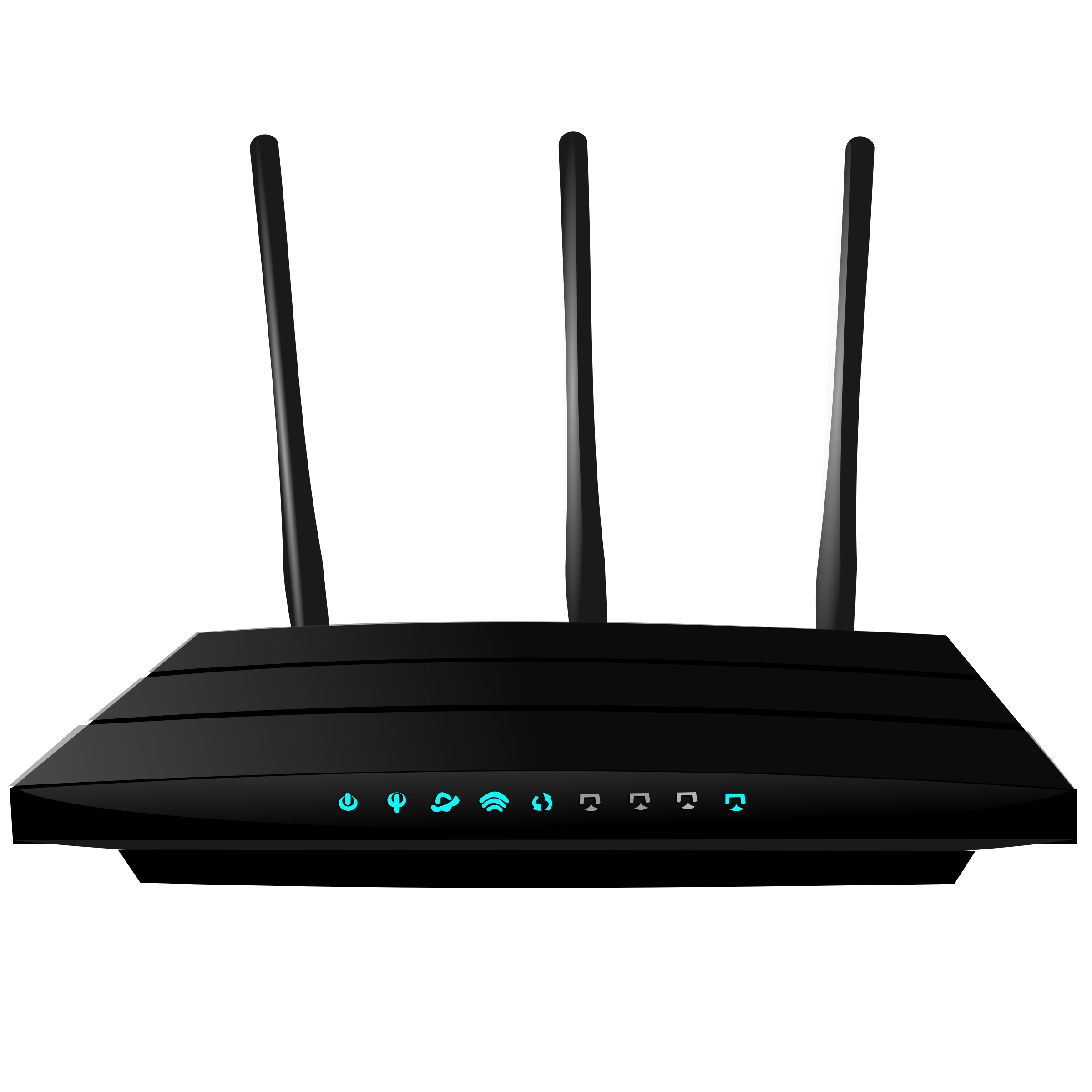
Home-network security is less about one magic setting and more about reducing unnecessary trust. Keep the router firmware supported, protect administrator access, use modern Wi-Fi security, disable remote-management exposure you do not need, segment less-trusted devices where practical, and open inbound services only with a clear reason.
Passwords are not the whole model
A strong administrator password helps, but so do update practices, account MFA for cloud-managed systems, local-management restrictions, firewall policy and a recovery plan. Publishing universal default credentials for an IP address is both inaccurate and unsafe; credential guidance must be scoped to the actual device.
Segment by trust
Guest and IoT networks can reduce lateral access to trusted computers and storage. More advanced VLAN designs provide finer policy when the router/firewall supports them, but complexity should be documented so future maintenance does not accidentally reopen the network.
Security-oriented guides
- How to Find Which Device Is Your Router on a Complex Home Network? — Use gateway information, cabling, DHCP, traceroute, and device roles to identify the actual router when you have a modem, ISP gateway, mesh system, switches, and access points.
- How to Reserve a Fixed IP Address with DHCP Without Creating Conflicts? — Use a DHCP reservation when you want a device to keep the same LAN address while still receiving gateway, DNS, and lease information automatically.
- How to Change Your Router LAN Subnet Without Losing Access? — Changing from one private subnet to another can solve conflicts and improve organization, but it temporarily moves the router and every DHCP client to new addresses.
- How to Test Whether Double NAT Is Causing Your Gaming, VPN, or Port-Forwarding Problem? — Two routers performing NAT can be harmless for normal browsing but troublesome for inbound connections, consoles, VPNs, and services that expect one clear edge router.
- How to Choose Wi-Fi Channels Without Guessing? — Channel selection is an airtime-planning problem. Use spectrum conditions, channel width, neighboring networks, DFS behavior, and client support instead of chasing one “best channel.”
- How to Back Up Router Settings Before a Firmware Update, Reset, or Replacement? — A useful backup is more than clicking Export. Record service-critical settings in a portable form so you can recover even when a backup file cannot be restored to new firmware or hardware.
- How to Separate IoT Devices from Laptops and Phones on a Home Network? — Use guest networks, IoT SSIDs, VLANs, and firewall policy to reduce lateral access without breaking the local discovery your smart-home devices actually need.
- Static IP vs DHCP Reservation: Two Ways to Keep a Device Address Stable — Both approaches can produce a predictable LAN address, but they place responsibility in different places and have different maintenance consequences.
- Router Firewall vs Device Firewall: What Each One Actually Protects — The router and the laptop/phone/server enforce policy at different points. One is not a complete substitute for the other.
- Modem Signal vs Wi-Fi Signal: Two Different Links People Often Confuse — Your device-to-router radio link and your modem/ONT-to-ISP access link can fail independently. Learn which indicators belong to which path.
- Wi-Fi Channel Width: 20 vs 40 vs 80 vs 160 MHz — Wider channels can raise peak throughput but consume more spectrum and can reduce reliability or reuse in congested environments.
- DFS Wi-Fi Channels Explained: Radar Detection, Channel Changes, and Client Compatibility — Dynamic Frequency Selection lets Wi-Fi share parts of 5 GHz spectrum with protected radar systems, which can create waits or channel changes that look like random Wi-Fi trouble.