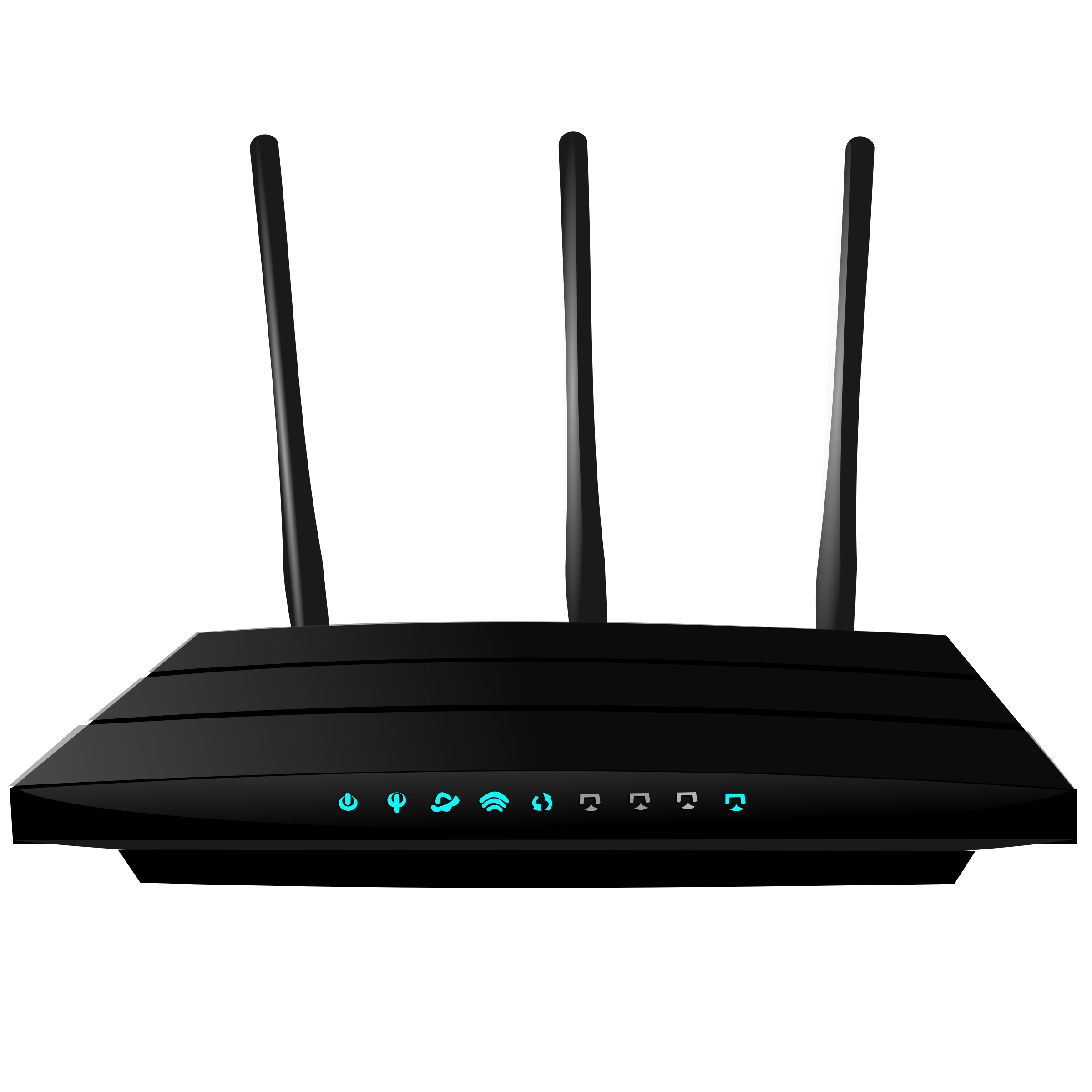
Some 5 GHz channels are shared with radar services. Regulatory rules require compatible access points to detect protected radar use and avoid causing interference. Dynamic Frequency Selection (DFS) is the mechanism that supports this coexistence. A router using a DFS channel may perform a channel-availability check before transmitting and may need to move channels if radar is detected.
DFS channels must respond to radar detection
For many users DFS is invisible and useful because it opens additional spectrum. Problems arise when a client lacks support for certain channels, a router repeatedly changes channel, or a user interprets the required wait/change as a hardware failure. Regulatory behavior varies by region, so advice that names one exact channel without region context can be misleading.
Check channel events and client support
- A 5 GHz SSID can temporarily disappear while the access point performs required DFS checks.
- Radar detection can force a channel move even when your own network configuration has not changed.
- Older or region-limited clients may not support every DFS channel.
- Using a non-DFS channel is a useful diagnostic when 5 GHz visibility is inconsistent.
- Disabling regulatory protections or changing the device region dishonestly is not a legitimate performance fix.
Availability checks and automatic channel moves
DFS illustrates why Wi-Fi is not operating in an empty private band. The radio must coexist with other authorized systems under local regulation. Modern routers often handle this automatically, and the extra channels can reduce congestion. But a network that requires uninterrupted 5 GHz operation for legacy clients may choose a conventional channel after evaluating spectrum conditions.
A 5 GHz network briefly disappears after radar detection
If 5 GHz disappears for a period after every reboot and later returns, or the router log reports radar/channel switching, DFS behavior is a plausible explanation. Testing a supported non-DFS channel can separate regulatory/channel behavior from radio hardware failure.
Avoid treating a DFS channel move as a reboot
- Assuming every channel change means a neighbor is attacking the network.
- Forcing unsupported regulatory domains to access prohibited channels.
- Blaming the ISP for a local 5 GHz DFS event.
- Using DFS troubleshooting advice without checking the user’s country/region.
What does DFS stand for?
Dynamic Frequency Selection.
Is DFS bad?
No. It enables Wi-Fi use of additional shared 5 GHz spectrum while protecting radar systems.
Why does Wi-Fi change channels by itself?
A DFS access point may be required to leave a channel after detecting protected radar.
Should I avoid DFS?
Only when your environment or clients show a real compatibility/availability problem. Additional DFS spectrum can otherwise be useful.