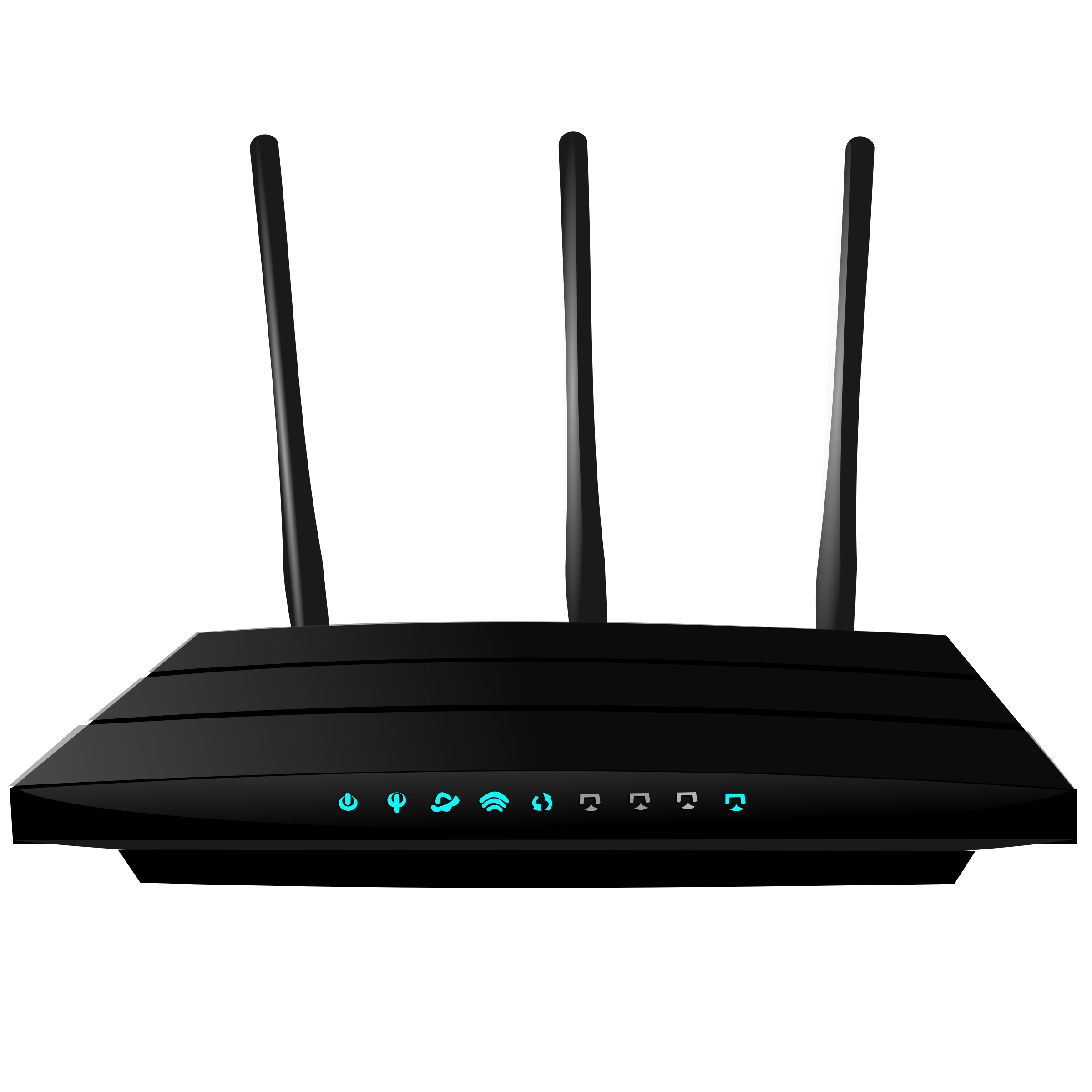
A Wi-Fi QR code lets a phone or tablet join a wireless network by scanning a code instead of typing the network name and password by hand. It is useful for guest Wi-Fi, offices, cafés, rental properties, or simply avoiding password-entry mistakes.
How to create a code?
Enter the Wi-Fi network name (SSID), choose the security type that matches the router, and enter the Wi-Fi password. Generate the code, then scan it with another device’s camera. Test the code before printing or sharing it.
Use the Wi-Fi password, not the router admin password
These are different credentials. The Wi-Fi password lets devices join the wireless network. The router admin password opens the configuration interface. Never put an admin password in a guest QR code.
Security considerations
Anyone who can scan or photograph the QR code can potentially join the network, so display it only where that access is appropriate. A separate guest network is better than sharing the main household or office network with visitors. Disable or rotate the guest password when the code should no longer work.
Privacy
The QR code is generated in the browser. Your SSID and password are not intentionally sent to this site’s server by the generator.
How to use this tool as evidence, not as a score?
This tool is designed for local creation of scannable Wi-Fi credentials. Run the check, record the exact input/result and compare it with the configuration you expected. A single result is most useful when it answers a specific troubleshooting question.
How to interpret the result?
Scan the generated code with a second device and verify the network/security type before distributing it.
Important limitation
Anyone who receives the QR code can recover/use the Wi-Fi credential. Treat the image like the password itself.
A practical troubleshooting workflow
- State the symptom and expected result before testing.
- Run the tool once without changing configuration.
- Change only one relevant variable—such as VPN state, DNS record, router rule or URL.
- Run the same test again and compare.
- Confirm the finding with the system/provider/vendor tool closest to the source of truth.
This avoids “tool hopping,” where several unrelated checkers produce numbers but none actually isolates the problem.
Privacy and responsible use
Use network/domain tools on systems and data you are authorized to test. Public registration/DNS information can be inspected, but results should not be used to claim a person’s identity or precise location. Do not submit passwords, API keys or other secrets into diagnostic fields unless the page explicitly requires them and you trust the system.
What a useful result looks like?
A useful local creation of scannable Wi-Fi credentials result changes a decision. It should tell you whether the observed value matches the expected configuration, which layer to inspect next, or whether a previous change actually fixed the symptom. Save the timestamp, target and result when comparing before/after states.
False certainty to avoid
One tool sees only one part of a system. A successful network request does not prove an application is healthy; a DNS record does not prove mail or a website is configured correctly; an open port does not prove the service behind it is secure; and a geolocation database result does not prove a person’s exact location. Interpret the output within the tool’s stated scope.
Repeatability matters
Transient packet loss, DNS caching, CDN routing, firewall state and server load can change from one run to the next. Repeat measurements when timing or availability matters, and compare from the same vantage point before concluding that a configuration change caused the difference.
Corroborate at the source of truth
When the result affects a production decision, confirm it with the system that owns the data: authoritative DNS/provider console for DNS, router/firewall configuration for local networking, certificate issuer/server configuration for TLS, mail-provider logs for authentication, or the web server/CDN for HTTP behavior. Third-party checks are evidence, not authority over your configuration.
Troubleshooting notes worth recording
- Exact input/target and whether it is IPv4, IPv6, hostname, URL or domain.
- Network context: home/office, VPN on/off, Wi-Fi/Ethernet, and ISP if relevant.
- Status/result before the change and after the change.
- Any cache, TTL, timeout or rate-limit condition that can delay the expected result.
- The authoritative configuration you compared against.
Privacy and authorization
Test systems you own or are authorized to administer. Network metadata can be sensitive even when it is technically public. Do not use lookup results to make unsupported claims about a person’s identity, physical address or intent, and never paste passwords or secret tokens into general diagnostic inputs.
Use generated/calculated output as a starting point
Calculated values and generated text/QR data are only correct for the inputs supplied. Review addresses, prefixes, SSIDs, security modes and encoded data before deploying them. A syntactically valid result can still be operationally wrong for the network you intended.
Keep a human-readable copy
When a result will become configuration, record the original inputs and plain-text values as well. That makes later auditing and troubleshooting possible without relying on a screenshot or opaque QR code.