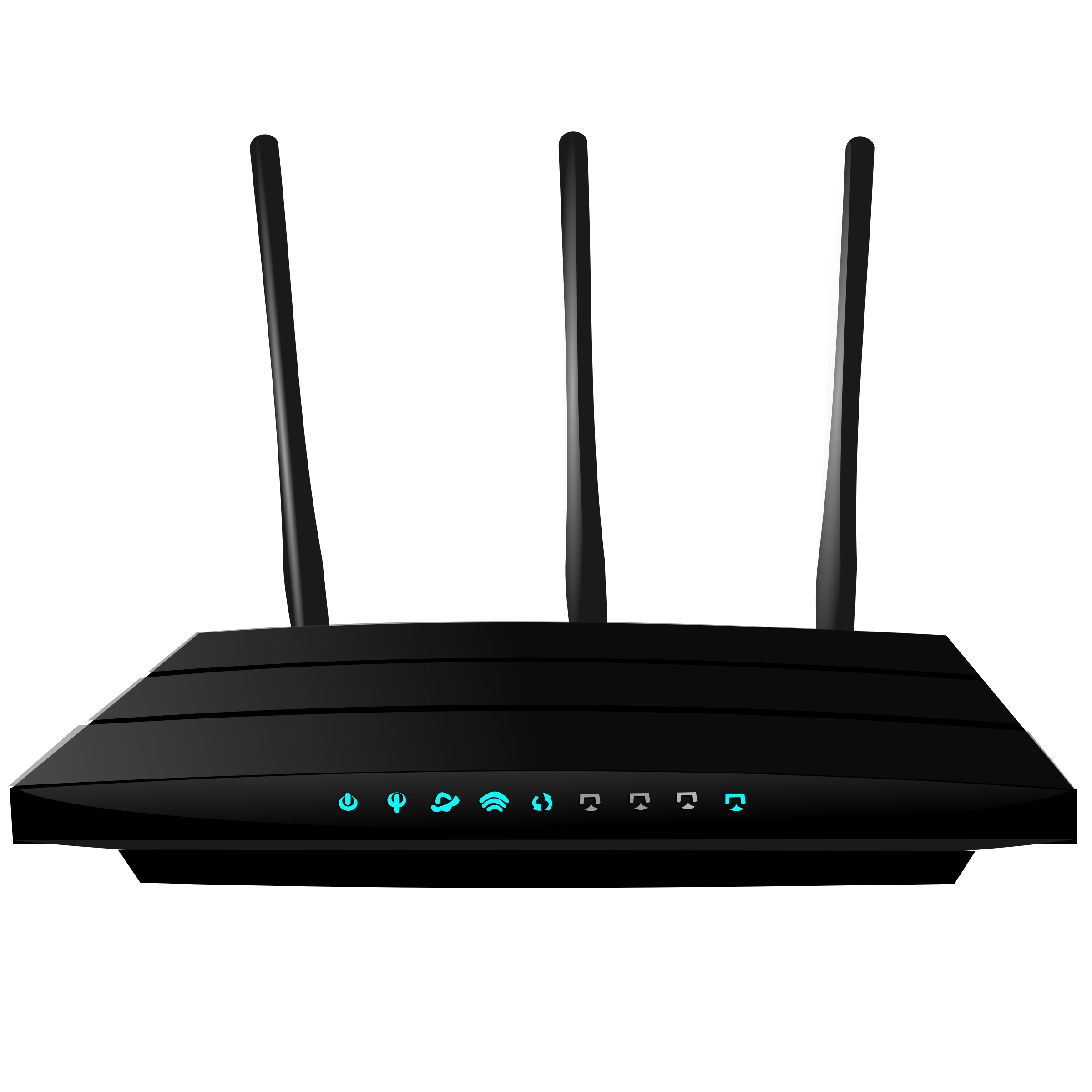
Suppose you host a service at 192.168.1.50 and publish it through your router’s public IP. From mobile data the public hostname works, but from home Wi-Fi it fails. One possible reason is missing NAT loopback, also called hairpin NAT or NAT reflection. The router must recognize that an inside client is trying to reach its own external address and translate the connection back toward the internal server.
Hairpin NAT serves a public hostname from inside the LAN
Not every router implements this behavior the same way. Some handle it automatically, some expose a setting, and some do not support it. Split-horizon DNS is an alternative: inside the network, the hostname resolves directly to the private server address; outside, it resolves to the public address.
Compare internal and external server access
- Verify the service works from an external network before diagnosing hairpin behavior.
- From the LAN, test the server by private IP and then by public hostname to isolate the difference.
- Check whether the hostname resolves to the public address internally.
- Review router documentation for NAT loopback/reflection support.
- Consider split DNS for predictable local routing when you control the internal resolver.
- Keep firewall and TLS hostname requirements in mind; direct private-IP access may not test the same application path as the real hostname.
A public server address fails only at home
A NAS web service is forwarded correctly and works over cellular. On home Wi-Fi, nas.example.com resolves to the public IP and times out, while 192.168.1.50 works. That pattern strongly suggests the internal-to-public-to-internal path needs hairpin NAT or split DNS; the outside port forward itself is already proven.
Loopback support and split DNS
Hairpin connections may be source-NATed as well as destination-NATed so the internal server sends replies back through the router instead of trying to answer the client directly. That extra translation is why implementation details matter. Split DNS avoids the hairpin path but requires internal DNS control and careful handling of certificates and service discovery. Neither design is universally superior.
Avoid opening extra ports to fix local name resolution
- Assuming the port forward is broken because the public hostname fails only from inside.
- Testing only by private IP and concluding the public path works.
- Creating insecure DNS overrides that accidentally leak internal names or addresses.
- Opening additional WAN ports when the actual issue is local reflection.
Does every router support hairpin NAT?
No. Behavior varies by platform and firmware.
Can split DNS replace hairpin NAT?
For hostname-based access, often yes: internal clients can resolve directly to the private service address.
Is hairpin NAT a security feature?
It is primarily a routing/NAT behavior. Security still depends on firewall rules, authentication, TLS, and service configuration.
Why test from mobile data?
It provides a genuinely external path and proves whether the WAN-facing forward works independently of local reflection.