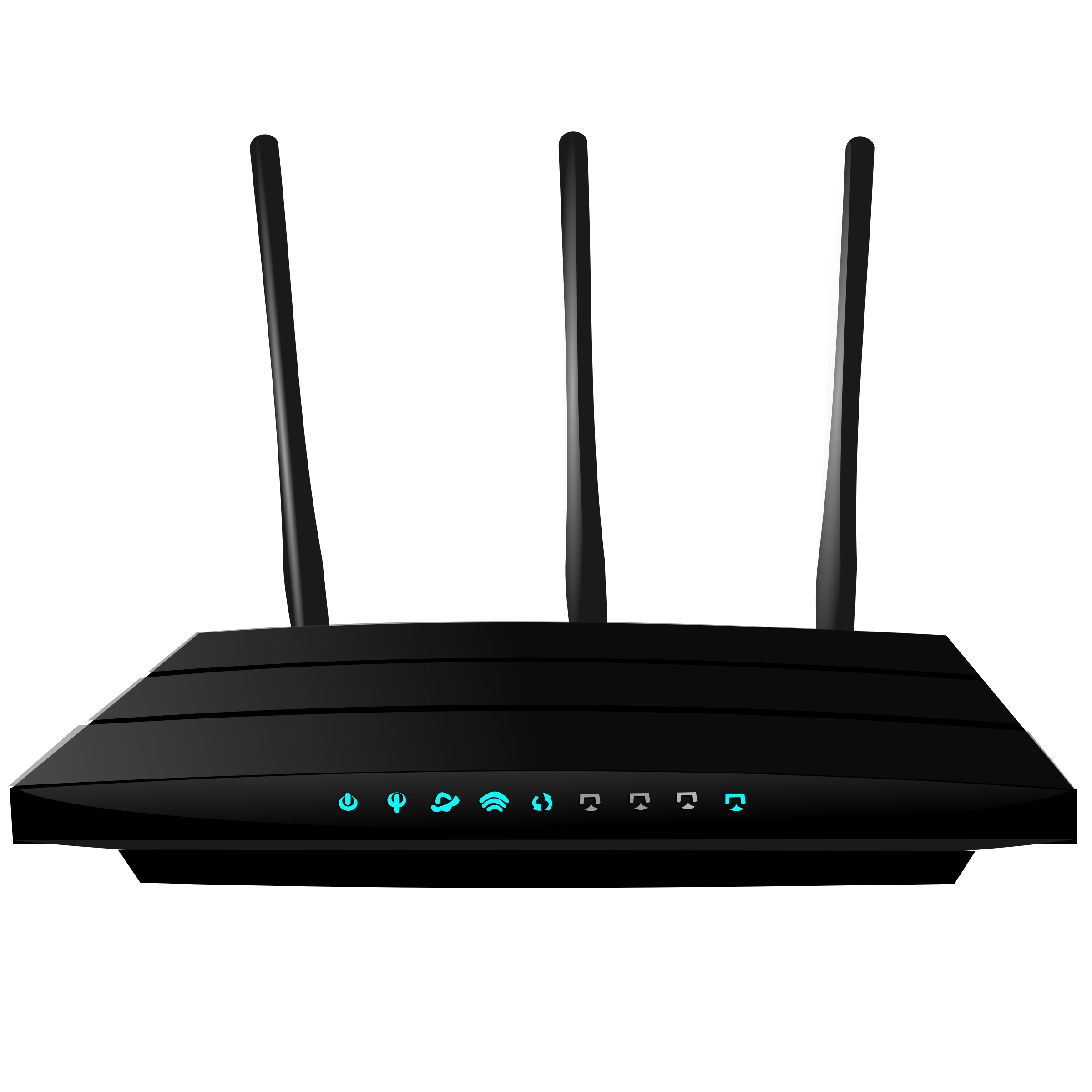
A network can have perfectly healthy internet service while one Wi-Fi band is unavailable. The 2.4 GHz and 5 GHz radios may share an SSID, but they are separate radio systems with different channels, regulatory constraints, range, and client compatibility. The right diagnosis therefore stays on the wireless side of the network until evidence shows otherwise.
Different bands have different requirements
First determine whether the 5 GHz network is invisible, visible but cannot authenticate, or connects and then performs badly. An invisible SSID points toward client support, disabled radio, channel/regulatory restrictions, or distance. Authentication failure points toward security/profile issues. A connection that drops may involve DFS channel changes, interference, firmware, or signal margin.
Check band support, channel choice and visibility
- Verify the client actually supports the 5 GHz band and the security mode in use.
- Move close to the access point to remove range as a variable.
- Check whether the router has selected a DFS channel that the client or region handles poorly.
- Temporarily choose a conventional non-DFS channel as a test, then observe whether the 5 GHz SSID appears consistently.
- If band steering uses one SSID, inspect the router client list rather than assuming the device is on 5 GHz.
- Review firmware and region settings only from the legitimate device interface; do not use region hacks to unlock channels.
5 GHz range and client compatibility
5 GHz contains both non-DFS and DFS channels in many regulatory domains. DFS-capable access points may have to listen for radar and move channels when required. During that process the radio can pause or change channel, and some older or region-limited clients do not follow gracefully. Wider channels also consume more spectrum, so a 80/160 MHz configuration can be less stable than a narrower channel in a busy environment. The correct choice is environmental, not “widest is always fastest.”
Testing 5 GHz with a compatible nearby client
If a laptop sees 2.4 GHz but not 5 GHz until the router is changed from an automatic DFS channel to channel 36, that points to a channel/client compatibility issue. It does not prove the 5 GHz radio is broken, and it does not justify weakening Wi-Fi security.
Identical SSIDs can hide a band problem
- Changing the modem or public DNS when only the 5 GHz radio is affected.
- Forcing illegal or unsupported regional channel settings.
- Assuming every 802.11-capable client supports every 5 GHz channel and width.
- Testing from far away where 5 GHz range is the actual limiting factor.
Can a 2.4 GHz-only device see a combined SSID?
It can join the 2.4 GHz radio under that SSID, but it cannot use 5 GHz hardware it does not support.
What is DFS?
Dynamic Frequency Selection is a regulatory mechanism used on certain 5 GHz channels to protect radar systems.
Should I disable band steering?
Only as a diagnostic if needed. A unified SSID is often convenient once compatibility is understood.
Does 5 GHz mean 5G cellular?
No. 5 GHz Wi-Fi is a local wireless frequency band and is unrelated to a mobile carrier’s 5G service.